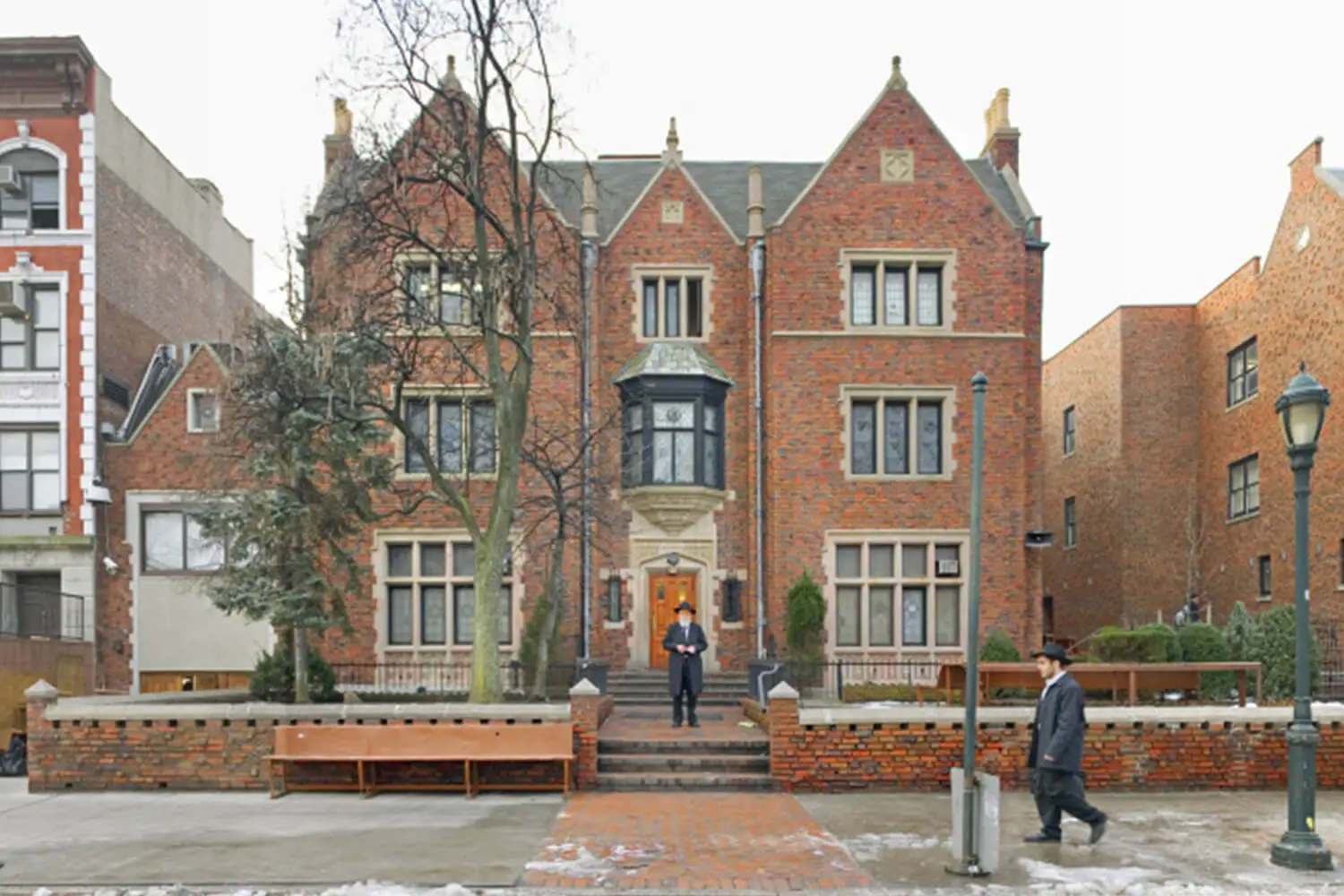
 Brooklyn · 1940
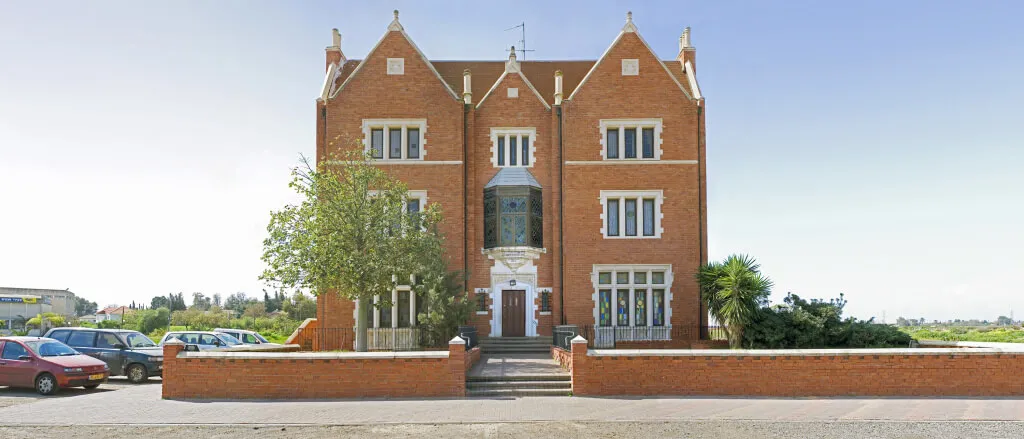 Kfar Chabad · 1986
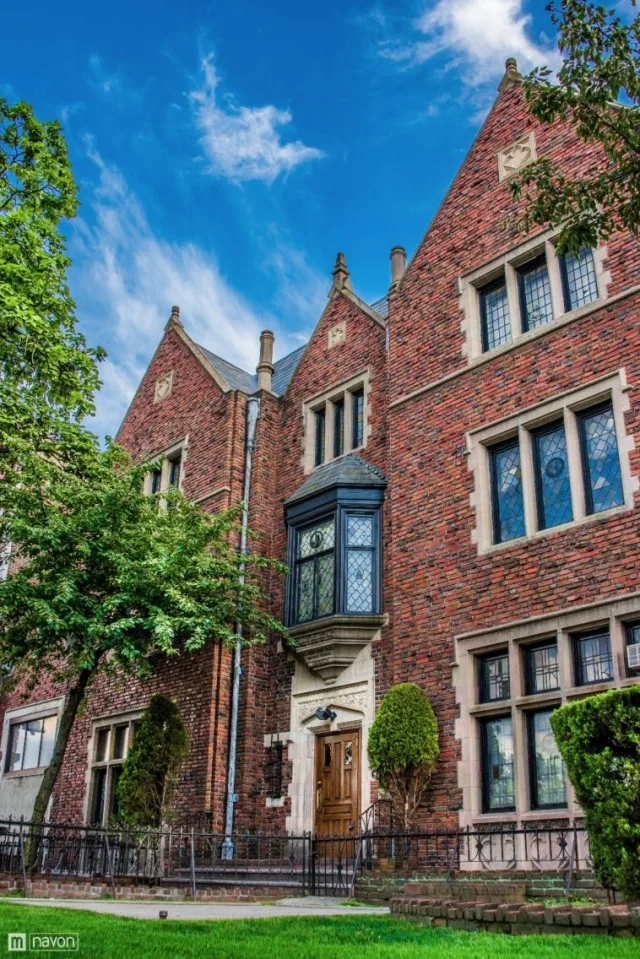 Brooklyn · Plate 001
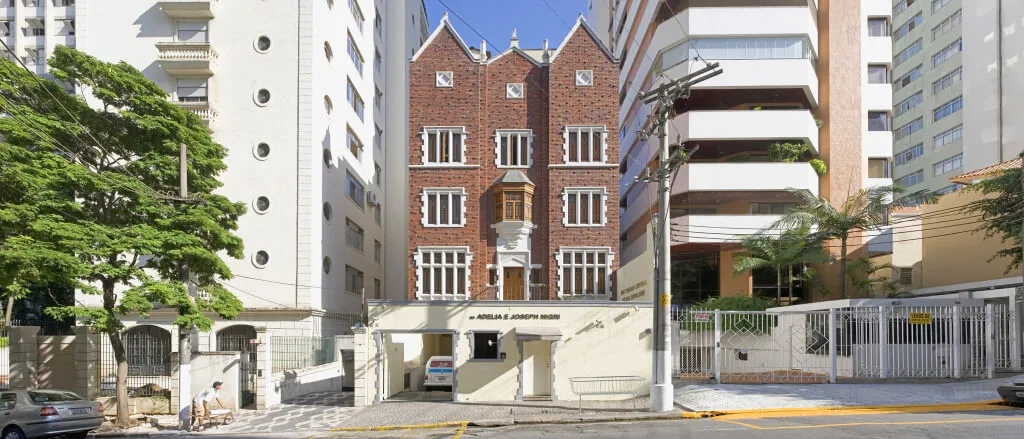 São Paulo
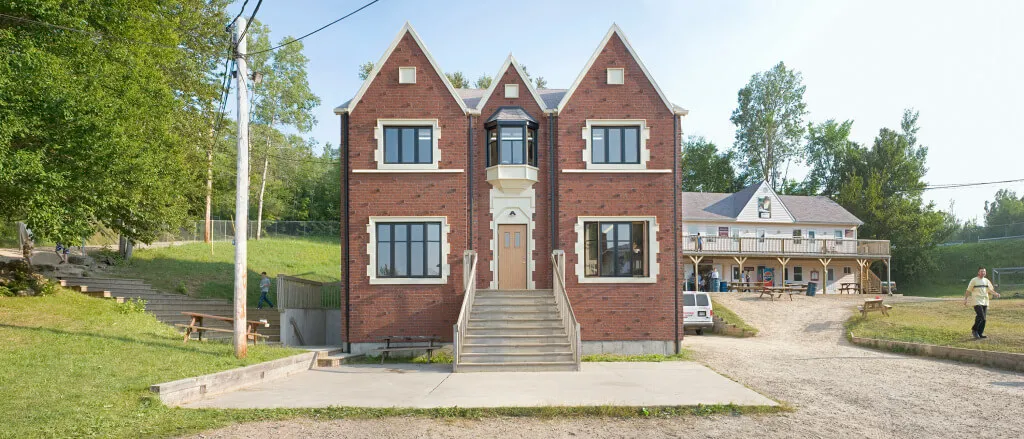 Québec
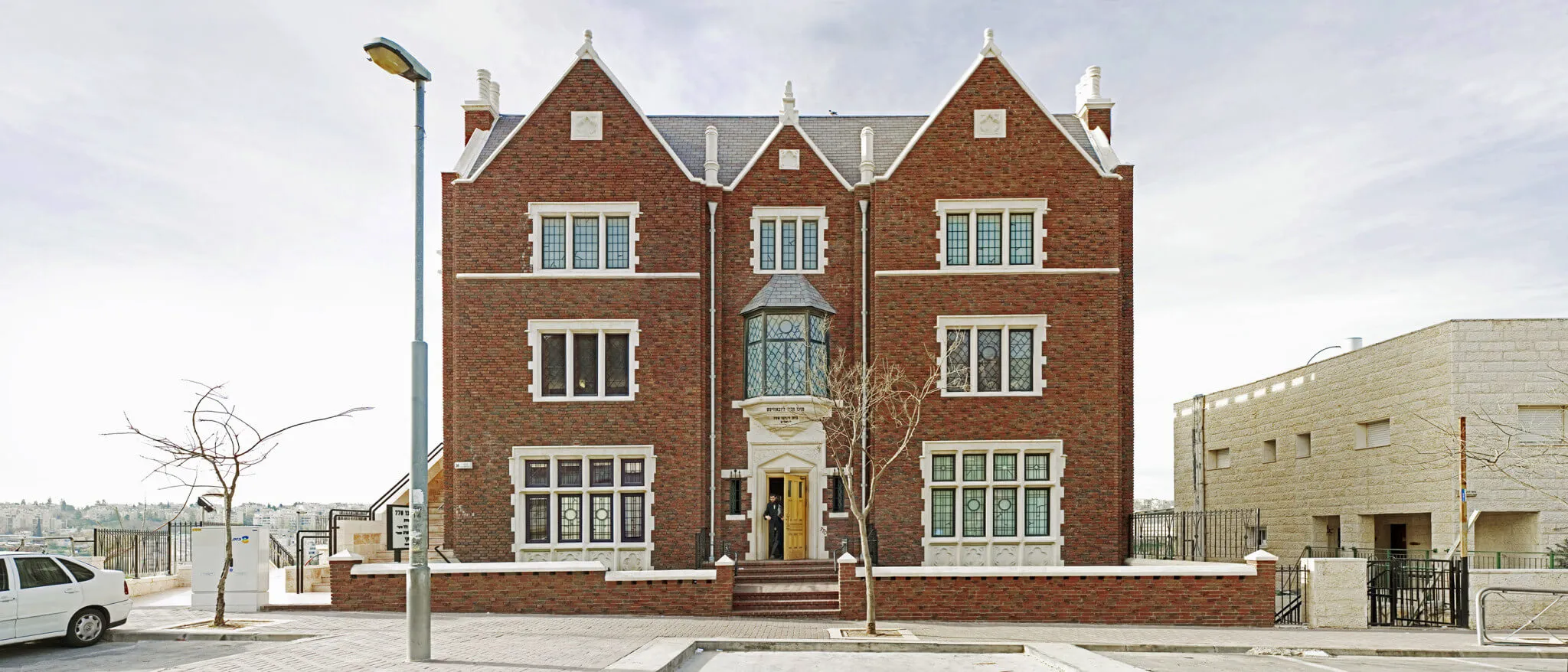 Jerusalem
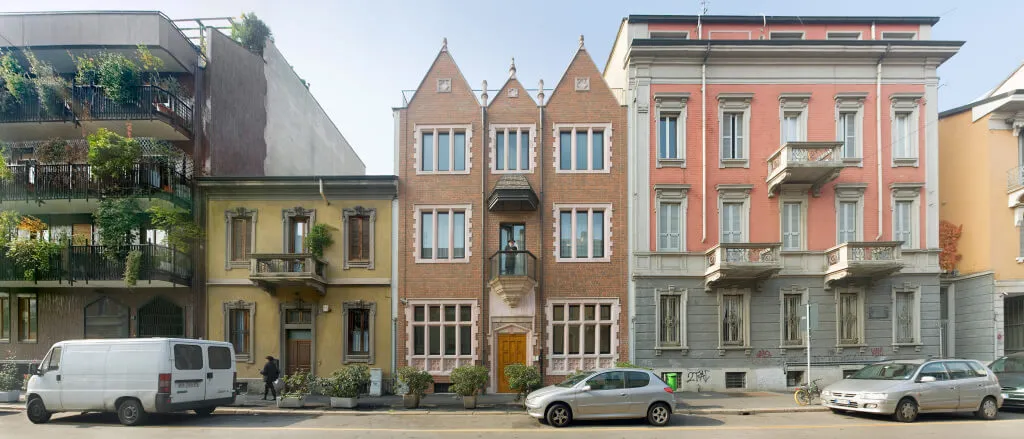 Milan
MilanOne building — seven of fifty plates
Parts I–III · 320 pages
The book opens here
The world's most replicated Jewish building. One address in Crown Heights — rebuilt, brick for brick, on six continents. A coffee-table book documenting every replica: the architecture, the shluchim, the communities, the stories.
Brooklyn · 1940Kfar Chabad · 1986Brooklyn · Plate 001São PauloQuébecJerusalemMilanThe history of 770 Eastern Parkway, the Rebbe, and how a Gothic Revival facade in Crown Heights became the spiritual address of a global movement.
Purchased in 1940 as a home and headquarters for the sixth Lubavitcher Rebbe, Rabbi Yosef Yitzchak Schneersohn, the three-gabled brick building at 770 Eastern Parkway became the center of Chabad-Lubavitch — and under the leadership of the Rebbe, Rabbi Menachem M. Schneerson, the launching point of the largest Jewish outreach movement in history.
As shluchim carried that mission outward, something remarkable happened: communities didn't just open Chabad Houses — they rebuilt the building itself. The gables, the bay window, the brick. From Kfar Chabad to Melbourne, São Paulo to Milan, roughly fifty replicas now stand on six continents.
The number itself carries the mission: the Hebrew word פרצת — "you shall spread out" (Genesis 28:14) — has a gematria of exactly 770.
Every replica receives a full spread: a full-page exterior plate, the story of the local center and its rabbi, interior photography of the sanctuary and beit midrash, and a data page comparing each building to Brooklyn.
Constructed at the Rebbe's encouragement in the village founded by Chabad chassidim in 1949, the Kfar Chabad 770 reproduces the Brooklyn original down to its window mullions and brickwork — a piece of Eastern Parkway standing in the fields of central Israel.
Today it houses a synagogue, library, and study halls, and serves as the ceremonial heart of Chabad life in Israel.
On a hillside in Ramot, the three gables of Eastern Parkway rise beside Jerusalem stone — leaded bay window, white trim, and Hebrew lettering over the doorway. Crown Heights and the holy city, on one street.
The Jerusalem replica anchors a full community campus: shul, study halls, and the daily life of a neighborhood built around it.
Wedged between white high-rises in the largest city of the southern Americas, the familiar facade serves one of Latin America's great Jewish communities — a Beit Chabad whose doors open onto Portuguese, Hebrew, and Yiddish in the same hallway.
Its story, its shluchim, and its community life fill four pages of the archive.
In a city defined by its architecture, Milan's 770 holds its own — Crown Heights gables between liberty-era palazzos, home to a community that bridges Italian Jewry's ancient roots with Chabad's modern reach.
Each European replica in the archive is paired with architectural comparisons to the Brooklyn original.
The smallest replica in the archive might be the sweetest: twin steep gables and a grand staircase rising out of a Laurentian hillside, where generations of campers meet 770 for the first time — surrounded by pine instead of parkway.
Proof the blueprint scales: from city block to summer camp, the address is the same.
Architecture, history, photography, and the stories of the shluchim and communities behind every replica — bound into a museum-grade volume built to sit on coffee tables and in libraries for the next hundred years.
If your 770 is not documented today, future historians may not have access to the stories, photographs, and memories that exist right now.
Each participating Chabad House receives recognition in the first edition and the opportunity to secure copies for donors and supporters. Communities become partners in the archive — not just subjects of it.